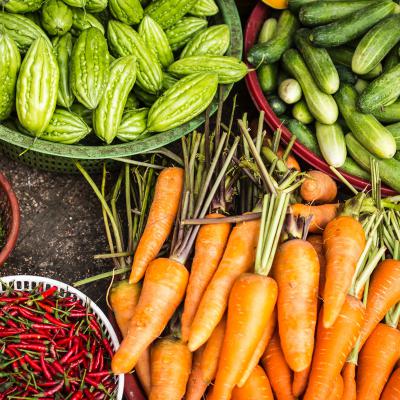
"Harvest Innovation" can refer to various strategies, technologies, and practices designed to improve the efficiency, sustainability, and productivity of agricultural harvesting. This can encompass a wide range of areas, including advanced machinery, data-driven approaches, and sustainable techniques. Here are some key aspects of harvest innovation:
1. Advanced Machinery:
· Automated Harvesters: Machines that can autonomously harvest crops, reducing labor costs and increasing efficiency (e.g., robotic fruit pickers, automated grain harvesters).
· Precision Harvesting Equipment: Machinery equipped with GPS and sensors to optimize harvesting processes, minimizing waste and ensuring maximum yield.
2. Data-Driven Approaches:
· Remote Sensing and Drones: Use of drones and satellite imagery to monitor crop health, determine the optimal harvest time, and assess field conditions.
· IoT and Smart Sensors: Internet of Things (IoT) devices and sensors placed in fields to collect real-time data on soil moisture, weather conditions, and crop growth, helping farmers make informed harvesting decisions.
3. Sustainable Practices:
· Cover Crops and Crop Rotation: Practices that improve soil health and reduce the need for chemical inputs, resulting in more sustainable harvests.
· Agroforestry: Integrating trees and shrubs into agricultural landscapes to enhance biodiversity, improve water retention, and increase yield.
4. Post-Harvest Technologies:
Cold Chain Logistics: Advanced refrigeration and storage solutions to keep harvested produce fresh and reduce spoilage.
· Processing Innovations: Technologies that enhance the efficiency and quality of post-harvest processing, such as sorting, grading, and packaging.
5. Genetic and Biotechnological Advances:
· Genetically Modified Crops: Crops engineered for higher yield, pest resistance, and better nutrient profiles.
· CRISPR and Gene Editing: Techniques to develop crop varieties with desirable traits, such as improved drought tolerance and faster growth rates.
6. Collaborative Platforms and Knowledge Sharing:
· Digital Platforms for Farmers: Online tools and apps that provide farmers with access to best practices, market information, and collaborative networks.
· Cooperative Models: Farmer cooperatives that share resources, machinery, and knowledge to achieve more efficient and profitable harvests.
7. Sustainable Energy Use:
· Renewable Energy Integration: Using solar panels, wind turbines, and other renewable energy sources to power harvesting equipment and processing facilities.
Harvest innovation aims to make agricultural practices more efficient, environmentally friendly, and economically viable, addressing the challenges of modern agriculture such as labor shortages, climate change, and the need for sustainable food production.